


Iron. We hear all the time that it is important. What are the two types? Why do we need it? Are herbivores more prone to iron deficiency than omnivores?
Most of us know we need iron in our diet. Most of us also know of someone who is or has been either anemic or iron deficient - maybe even you. Iron is an essential element for human health found in a wide variety of foods. “The average adult has 3-4 grams of iron in the body. 70% is in the blood hemoglobin, and the rest is stored in marrow and the spleen.”[1] The body uses this iron primarily for the following functions:
- Iron is key to blood production. Our red blood cells (with 70% of the body’s iron) carries oxygen to the lungs, tissues and aids in the oxygenation of the muscles (think movement and athletics). Essentially, iron is crucial for helping the body generate energy from oxygen.
- Iron works with the immune system to fight infections. Too little and too much iron can hamper this so keeping iron in check is key.
- Iron is important for keeping our brain healthy, particularly for memory and and our ability to learn. Having too much iron in the brain is a possible link to Alzheimers Disease and other forms of dementia.
Keeping iron levels within the recommended range (based on your blood test) is key for much of how we are able to think and move.
There are two kinds of iron:
- Heme: This is the iron found only in animal products such as meat, seafood, liver and eggs. Chicken and turkey having the least amount of iron while organ meats have the most. Certain seafoods, such as small fish like sardines are good sources. Heme iron, until recently (and depending on the up-to-date nutritional information of the person you are speaking to) was considered the superior iron as it is more readily absorbed between 7%-35% absorption rate. The rate depends on the current iron levels of each person, what foods are consumed around the iron-rich food, what supplements are taken, activity levels, etc. I’ll get into why there is growing controversy over the superiority of heme iron further on.
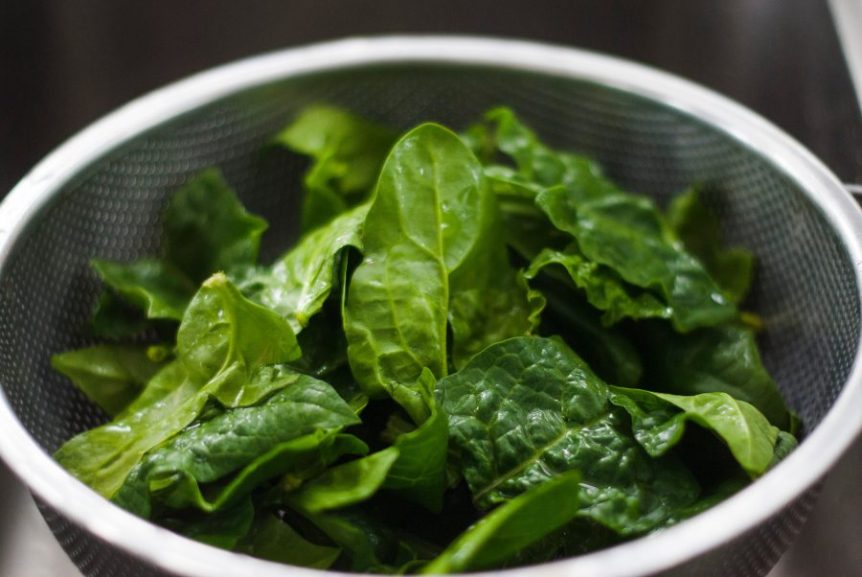
- Non-heme: This is the plant-based iron found in nutrient dense vegetables and is particularly high in legumes and those dark leafy greens such as spinach. Non-heme iron has been considered inferior due to its weaker absorption rate into the body at 2%-20%. Plant-based eaters need to consume more iron than meat eaters to maintain proper levels but this is not a bad thing!
How much iron does the average adult need to consume in a day to maintain optimal levels? The first thing you should do, if you haven’t done so recently, is ask for a blood workup from your physician. A naturopathic doctor can order this as well. You can usually find your results online within 24 hours. I recommend everyone do this at least annually so that you can see any trends in your main blood indicators. Assuming iron levels are within the proper range for one’s age and sex, these are the daily recommendations, noting that no age group is to exceed 45mg/day:
Men 19+ = 8mg/day
Women 19-50 = 18mg/day (accounting for menstruation)
Women 51+ = 8mg/day
Pregnant women = 27mg/day
Women, through their monthly cycle, will lose blood - and with it, iron - hence the additional iron requirement until menopause. Those who donate blood regularly also require more iron intake in the days/weeks following a donation. Other groups like high training volume athletes may also add more iron.
Back to the debate on heme vs. non-heme iron. Most doctors will tell you that heme iron is the superior form and therefore assume that vegans will be deficient. The actual population results do not reflect this. Vegans are no less likely to be iron deficient or anemic than the general population. Athletes with heavy training schedules are much more likely to be deficient, particularly female athletes. Other segments of the population are also more susceptible. Many people have chronic anemia or low iron despite eating a diet heavy in the iron-centric meats. There are many factors that determine each person’s ability to absorb and use either form of iron.
Why might heme iron actually be more harmful long-term?
Nutrition research is evolving at a rapid pace right now. There are several studies showing that the consumption of heme iron, which is only from animal sources, is directly correlated to some of the diseases that plague western society today such as coronary heart disease, colorectal cancer and stroke.
From Dr. Michael Greger, “The avoidance of heme iron may be one of the key elements of plant-based protection against metabolic syndrome, and may also be beneficial in lowering heart disease risk. The link between iron intake and coronary heart disease has been contentiously debated, but the inconsistency of the evidence may be because the majority of total dietary iron comes mostly from plants, and so total iron intake is associated with lower heart disease risk. But if you just look at iron intake from meat, it’s associated with significantly higher risk for heart disease. This is thought to be because iron can act as a pro-oxidant contributing to the development of atherosclerosis by oxidizing cholesterol with free radicals.
The risk has been quantified as a 27% increase in coronary heart disease risk for every one milligram of heme iron consumed daily.” and while “it is commonly thought that those who eat plant-based diets may be more prone to iron deficiency, it turns out that they are no more likely to suffer from iron deficiency anemia than anybody else. This may be because not only do those eating meat-free diets tend to get more fiber, and magnesium, and vitamins like A, C, and E; they also get more iron. But the iron found in plants is non-heme iron. Those eating meat-free diets don’t get any of the heme iron found in blood and muscle, which may be a good thing.” [2]
There is a great deal of peer-reviewed scientific research available that evidences the link between heme iron via meat consumption to coronary heart disease, type 2 diabetes and colorectal cancer as well as links now being made to brain diseases like Alzheimers. When one is seeking to maintain or increase iron content (or reduce iron content for certain individuals), looking to non-heme plant-based sources may be your healthiest option!
I like to put this scientific research into real food terms. It makes no sense to most people to say you need to get 8mg or 18mg of iron each day. Here are some ways to capture that iron:
3/4 cup cooked oatmeal (this is the food of champions): approx 6mg
1 cup cooked spinach: approx 5-7 mg (note that cooking makes the iron more available in spinach so blanch before putting in your smoothie along with some orange segments to increase absorption further)
3/4 cup lentils: 4.5mg (another powerhouse food)
 Tofu 3/4 cup (agadashi tofu anyone?): range from 3-8mg depending on type (look at label)
The rest of the greens and legumes and grains all fall in similar range. And it should be noted that 2.5 ounces of beef - any cut - ranges from 1.7-3.3mg so the average serving of 8 oz would be only as high as about 9mg, along with a good dose of saturated fat! Chicken and turkey have much less. 2 eggs only has about 1.5mg. [3]
Here are some tricks to further enhance your iron absorption: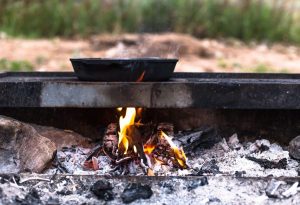
- Use a cast iron frying pan for pretty much all your cooking.
- Consume coffee and tea in between meals rather than with meals - these two beverages can inhibit iron absorption by up to 60%!
- Dairy also inhibits absorption by up to 50%
- Eggs inhibits absorption by up to 30%
- Pair vitamin C-rich foods (or even a small vitamin C tablet) with iron-rich foods to increase absorption. Even 100 mg vitamin C tablet can increase iron absorption by 67%!
- Pair with foods rich in Vitamin A and Beta-carotene - carrots, sweet potatoes, spinach, kale, oranges, red peppers, orange peppers, cantaloupe etc - which mostly are also vitamin C foods.
- Pair with good quality vitamin A rich grains. Rice, for example, has shown a 200% increase in iron absorption. Think of this meal: rice, beans, spinach and some red/orange veggies. Covers so much of your nutrition needs and at a very reasonable cost
As a vegan athlete still in my 40’s who had neglected to have my blood tested since 2013 (pre-vegan), I was overdue in 2018 to run my numbers. Having been full vegan since 2015 (and almost vegan in the two years prior) I was definitely curious to see how my numbers may have changed. Since a teen I have gone through phases of feeling less energetic which indicates to me that I may be low in iron so I supplement periodically. My pre-vegan blood work had consistently shown me to be at the bottom (almost to the exact bottom number) of the proper iron range but still within range. That number has not changed from 2013 to 2018 to which I credit to a combination of how my body absorbs the iron I give it (in any form) and my love of leafy greens, vegetables and legumes combined with daily vitamin C intake. When I do supplement (with a vegan non-heme source) I take this alongside 1000mg Vitamin C.
In short, iron is a critical mineral for our blood production, energy, immunity and brain health. The amount we take in daily is important as is the amount we absorb and maintain. We don’t want to be too high or too low. Do get tested so you have a baseline for future testing. And while it was once thought that heme iron was superior to non-heme, the tables are turning on this one. For long-term overall health and disease prevention, non-heme may be the superior source. You just have to take in more and ideally pair with absorption-enhancing plant-foods. To the whole food plant-based eater, this is yet another delicious solution to maximizing our health!
References:
- Orthomolecular Medicine for Everyone, Abram Hoffer, MD, PhD and Andrew W. Saul, PhD
- Nutrition facts.org, Dr. Michael Greger article “The Safety of Heme vs. Non-Heme Iron”
- Food Sources of Iron, Dieticians of Canada at dieticians.ca
Share this Post